
Battery Care 101: Keeping Your Cart Running in the Florida Heat
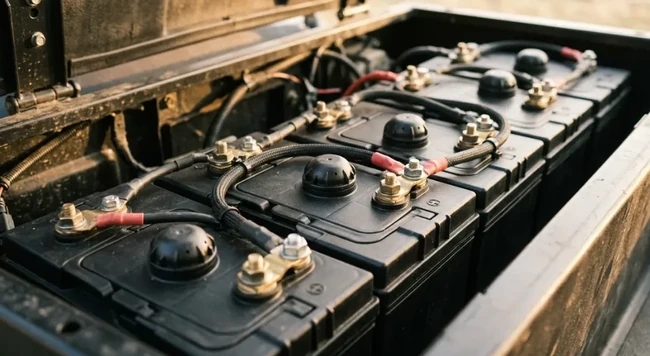
If you live in Nocatee, Ponte Vedra Beach, or anywhere along the First Coast, your golf cart is a part of daily life. A quick loop to the amenity center, a run to the Nocatee Town Center, a sunset cruise down A1A, these short trips add up fast. And so does the toll that Northeast Florida's relentless summer heat takes on the battery pack powering every one of them.
Whether you're rolling on flooded lead-acid batteries or a newer lithium-ion setup, heat accelerates wear in ways that catch a lot of cart owners off guard. The good news: a few consistent habits and the right storage decisions with Atlantic Self Storage can dramatically extend battery life and keep your cart street-legal, reliable, and ready to go whenever you are.
Why Florida's Heat Is Hard on Golf Cart Batteries
Sustained temperatures above 90° F, a daily reality from May through September on the First Coast, speed up two destructive processes in lead-acid batteries: fluid loss and plate corrosion. As battery fluid evaporates faster than it should, the internal plates become exposed, causing permanent capacity loss that no amount of charging can reverse.
Lithium-ion batteries handle heat better overall, but they're not immune. Repeated exposure to high ambient temperatures gradually degrades the cells and shortens the battery's total cycle life. For residents of the Ponte Vedra golf cart community, where carts are used daily rather than seasonally, that degradation adds up quickly.
The usage pattern matters just as much as the temperature. Short neighborhood trips, the kind that drain a battery 20–30% and then leave it sitting in the sun, create a cycle of partial discharge and thermal stress that's especially hard on lead-acid packs.

Daily and Weekly Habits That Extend Battery Life
Most battery damage is preventable. These habits take only minutes but make a measurable difference over months of coastal living:
- Charge after every use: Don't wait for a full discharge. In hot climates, partial charging after each trip is healthier for lead-acid batteries than running them down before plugging in.
- Check water levels every two to four weeks: Flooded lead-acid batteries lose fluid faster in summer heat. Top off with distilled water only, and never fill above the recommended line. Overfilling causes acid overflow when the battery heats up during charging.
- Clean terminals regularly: A five-minute scrub with a baking soda solution and a wire brush removes corrosion buildup that quietly drains performance. Make it part of your monthly routine.
- Avoid indefinite charging without an automatic shutoff charger: Leaving a cart plugged in overnight in warm temperatures without a smart charger can overcharge cells, generating excess heat and accelerating wear.
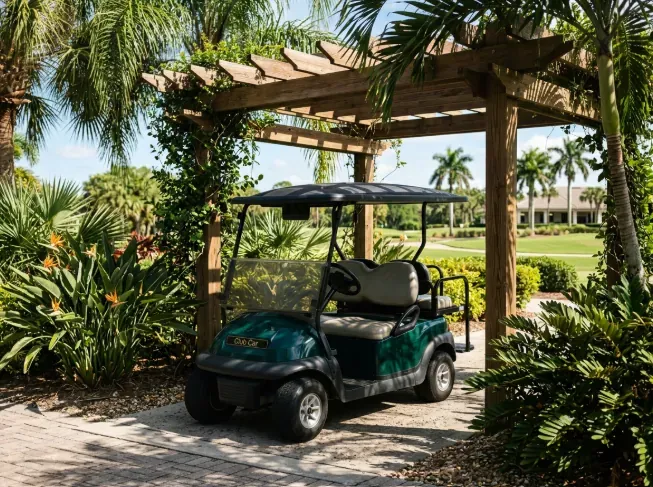
- Park in the shade during peak heat hours: Between 1 and 5 p.m. on the First Coast, battery compartment temperatures can spike dramatically even when the cart isn't running. A shaded carport or garage makes a real difference in passive thermal stress.
Seasonal Maintenance: Prepping for Summer and Storm Season
Before peak summer arrives, schedule a load test with a certified golf cart technician. A load test checks each battery cell individually; catching a weak cell before it fails mid-ride is far cheaper than replacing an entire pack. This is one of the most overlooked steps in golf cart maintenance for Florida owners.
It's also worth noting that LSV regulations in Jacksonville and Duval County require carts used on public roads to meet specific equipment standards: working lights, mirrors, seat belts, and more. (A small portion of Nocatee falls within Duval County/Jacksonville, which enforces similar equipment requirements under its own ordinance.)
If you're heading out of town for several weeks, bring the battery charge down to 50–70% before you go, then disconnect the negative terminal to eliminate parasitic drain. Storing the cart in a temperature-regulated environment during an extended absence, rather than leaving it in a hot driveway, can prevent the kind of deep discharge that permanently reduces capacity. For more on protecting recreational vehicles during longer breaks, the tips in our guide on safely storing your RV and boat apply equally well to golf carts.
Choosing the Right Storage Spot Between Rides
Where your cart sits when you're not riding matters almost as much as how you charge it. Direct sun on a parked cart can push battery compartment temperatures well above the ambient air temperature; even on a mild day, that's enough to accelerate capacity loss over time. A garage or covered carport is the minimum standard for protecting your investment.
For residents without covered parking, or those juggling multiple recreational vehicles, a storage unit near Ponte Vedra Beach with drive-up access offers a practical solution. A unit that maintains a consistent temperature range shields the battery pack from the thermal spikes that do the most long-term damage. Gated access and an on-site resident manager add a layer of security for a cart that represents a real lifestyle investment — not just a vehicle.
If you're exploring options in the broader Jacksonville area, climate-controlled storage in Jacksonville is worth considering for extended periods when the cart won't be in regular rotation. The steady temperature environment is especially valuable during the peak of summer storm season, when weeks can pass between rides.
Protecting your cart means protecting your freedom to cruise A1A, reach the tidal marshes trailhead, or make a quick run for coffee without relying on a car. That's what the Ponte Vedra golf cart community lifestyle is really about, and it starts with keeping your battery healthy.
Your Golf Cart Battery Care Checklist for the First Coast
Small, consistent habits, not expensive repairs, are what keep a cart running reliably through years of coastal living. Here's a quick recap to post in your garage:
- Charge after every use. Partial charging is fine; full discharges are not.
- Check water levels every two to four weeks in summer; use distilled water only.
- Clean terminals monthly with a baking soda solution and wire brush.
- Park in shade during peak afternoon heat, especially between 1 and 5 p.m.
- Schedule a load test before peak summer to catch weak cells early.
- Use a smart charger with automatic shutoff to prevent overnight overcharging.
- Store thoughtfully. A temperature-controlled spot beats a hot driveway every time.
Whether you're prepping for a round at TPC Sawgrass or a quiet ride through the Nocatee Preserve, your cart should be the last thing you worry about. Stay consistent with these steps, and it will be. For more on protecting the recreational vehicles that define life on the First Coast, explore Atlantic Self Storage's guide on why golf carts are the ultimate Nocatee commute.