Inventory Management 101 for Amazon Sellers in NE Florida
Learn inventory management tips for Amazon sellers in NE Florida — from climate-controlled storage in Jacksonville to unit organization for faster fulfillment.
Running an Amazon business anywhere takes grit, organization, and a solid logistics plan. Running one in Northeast Florida adds a few extra variables to the mix, namely, the kind of heat, coastal air, and seasonal weather that can turn a perfectly good inventory setup into a costly mess if you’re not prepared. The good news is that Jacksonville’s growing e-commerce scene comes with real infrastructure advantages, and sellers who build a smart storage strategy early have a genuine edge over those who are still stacking boxes in their spare bedroom.
Whether you’re a seasoned seller managing hundreds of products or someone who just shipped their first few dozen orders, getting your inventory management right is one of the highest-leverage moves you can make for your business. From choosing the right unit type to organizing your space for fast, accurate fulfillment, the decisions you make about storage directly affect your seller metrics, your profit margins, and your sanity during peak seasons.
This guide from Atlantic Self Storage walks through everything First Coast Amazon sellers need to know from the unique challenges of storing inventory in NE Florida to practical tips for building a storage strategy that scales with your sales.
Why Northeast Florida Amazon Sellers Face Unique Inventory Challenges
Selling on Amazon from the First Coast sounds like a dream with warm weather, a growing local economy, and a thriving e-commerce community right here in Duval County. But the same coastal lifestyle that makes Northeast Florida so appealing also creates real challenges for sellers trying to protect and manage their inventory.
- Heat and coastal air are relentless: Jacksonville summers regularly push past 95° F, and the tidal marsh air that defines our coastal living carries moisture that can quietly wreak havoc on electronics, paper goods, and textiles, which are some of the most popular product categories among Amazon sellers in the region.
- Seasonal storms add risk: Storing inventory in a garage or spare room might work in the short-term, but First Coast weather puts unprotected stock at real risk.
- E-commerce competition is heating up: Jacksonville’s online seller scene is growing fast, which means organized storage is a competitive advantage when buyers expect fast fulfillment.
- Home storage has a ceiling: Most NE Florida sellers start in a spare bedroom or garage, then hit a wall as their product catalog expands. Recognizing that inflection point early saves both time and money.
- Your inventory reflects your lifestyle: Whether you’re reselling fishing gear, flipping golf equipment, or moving outdoor adventure products, thinking about your storage strategy the way your customers think about their hobbies leads to smarter decisions.
Choosing the Right Storage Setup for Your Amazon Business
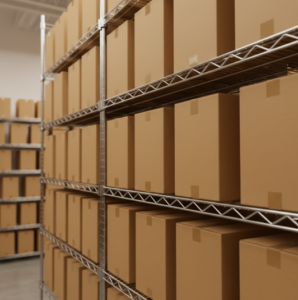
Once you’ve outgrown your living room shelves, the next step is finding commercial storage for your online seller operation that actually fits how you work, not just how much space you need. The right setup makes order fulfillment faster, protects your products, and keeps your small business logistics in Jacksonville running smoothly.
- Climate-controlled units are worth it: If you’re handling candles, cosmetics, electronics, or anything heat-sensitive, a temperature-controlled environment is essential. Jacksonville heat can warp, melt, or degrade inventory fast, especially between May and September. Learn more about why climate-controlled storage in Jacksonville makes sense for product-based businesses.
- Drive-up units save serious time: Loading and unloading directly from your vehicle is a game-changer when you’re making frequent trips to ship orders or receive supplier deliveries. Drive-up storage units eliminate the cart-and-elevator shuffle entirely.
- Security matters for your business inventory: Look for locations with gated access and a resident manager on-site. Knowing your products are secure around the clock gives you genuine peace of mind.
- Size your unit strategically: A 10×10 unit holds roughly a small bedroom’s worth of boxed inventory. A 10×20 gives you room to grow and set up shelving without feeling cramped. Use a storage size guide to match your current catalog to the right footprint.
- Location relative to shipping hubs counts: Choose a storage spot in a Jacksonville neighborhood close to your UPS, FedEx, or post office drop-off. Shaving even 10 minutes off each fulfillment run adds up fast across dozens of weekly orders.
Organizing Your Storage Unit for Fast and Accurate Order Fulfillment
A well-organized storage unit directly impacts your seller metrics. Treating your unit like a mini fulfillment center from day one sets you up for consistent, accurate shipping.
- Use a zone system: Divide your unit into four areas: inbound stock, ready-to-ship inventory, packing supplies, and returns. This mirrors how professional fulfillment centers operate and eliminates the chaos of digging through mixed boxes.
- Keep a digital inventory log: Tools like Google Sheets or free apps like Sortly let you update stock levels every time you add or remove items. Inventory accuracy here directly protects your Amazon seller metrics and prevents overselling.
- Prioritize your best sellers: Store your highest-velocity items at eye level and near the unit door. Rotate seasonal inventory like beach gear toward the front in spring, and holiday decor in the fall, so your most-needed products are always within arm’s reach.
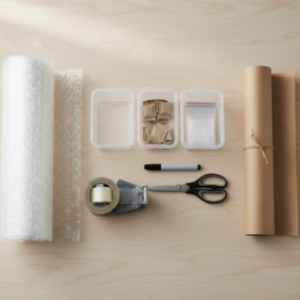
- Pack on-site when possible: Keep Bubble Wrap, poly mailers, and tape guns in a dedicated bin near the entrance. With the right setup, your storage unit becomes a fully functional packing station, not just a place to stash boxes.
For more tips on setting up an efficient unit layout, check out this guide on how to organize your storage unit for easy access.
Protecting Your Inventory From the First Coast’s Climate
Inventory management in NE Florida means thinking beyond just organization by actively protecting your products from the elements. The coastal environment here is beautiful, but it’s not always kind to packaged goods sitting on a shelf for weeks at a time.
- Use desiccant packets inside boxes: Even in a temperature-controlled unit, tuck moisture-absorbing desiccant packets inside boxes of electronics, clothing, or paper goods. It’s an inexpensive layer of protection that can save hundreds in damaged stock.
- Elevate everything off the floor: Use pallets or wire shelving to keep inventory off the ground. This improves airflow around your products and protects against any unexpected moisture that might find its way in during heavy rain events.
- Avoid non-climate-controlled storage from May through September: Coastal living in NE Florida means the heat and damp air are relentless for nearly five months of the year. Non-controlled spaces, including most garages, simply aren’t reliable during this stretch for sensitive products.
- Run a monthly condition audit: Make your monthly inventory count do double duty. While you’re counting stock, look for signs of moisture damage or packaging degradation. Catching problems early prevents a small issue from becoming a costly one.
- Review your insurance coverage: Check your homeowner’s or renter’s insurance policy and consider adding a commercial rider or a dedicated storage unit insurance policy to cover your inventory’s full value. Many sellers overlook this until it’s too late.
Building a Storage Strategy That Grows With Your Amazon Business
The best Amazon seller storage strategy in Northeast Florida involves prepping for the future. A little forward planning now means fewer disruptions and lower costs as your sales volume climbs.
- Start with built-in room to grow: Rent a unit that fits your current inventory plus about 20% more. That buffer means you won’t need to upgrade every few months as your product catalog expands.
- Scale thoughtfully before leasing commercial space: As your business grows, a larger drive-up unit or a second storage unit often makes more financial sense than jumping to a commercial warehouse lease, which carries significantly higher overhead and longer commitments.
- Factor storage costs into your margin calculations: Know your cost-per-square-foot and build it into your product pricing from day one. Jacksonville business storage solutions should be a line item in your profit model, not an afterthought.
- Think about where your business takes you: If you source inventory on the road across the Sunshine State, you’ll want storage that fits your mobile lifestyle. And if you’re currently running your operation out of a small apartment, there are smart strategies for that too. Explore how Etsy and Amazon sellers run thriving businesses from a Jacksonville storage unit.
Start Storing Smarter on the First Coast
The combination of coastal climate, rapid e-commerce growth, and the unique product niches that define the First Coast market means a thoughtful storage strategy pays dividends in every season.
Atlantic Self Storage has multiple locations across Jacksonville and the surrounding First Coast communities, with climate-controlled units, drive-up access, gated security, and on-site management designed to support sellers just like you. Whether you’re just getting started or ready to level up your operation, explore commercial storage options built for online sellers and find the setup that fits your business today and where it’s headed tomorrow.